
A birth flower is a flower linked to the month you were born, the way a birthstone is. The Old Farmer's Almanac gives most months two, such as carnation and snowdrop for January. No single authority sets the list, so a few months differ from source to source. Find your month in the birth flower chart below.
Table of Contents
Birth flower chart
Find your month below and tap its name for the full page. The main list follows the Old Farmer's Almanac. The last column shows what two other US sources, the Society of American Florists (SAF) and the University of Illinois Extension, list instead or as well.
| Month | Flowers (US list) | Also on some lists |
|---|---|---|
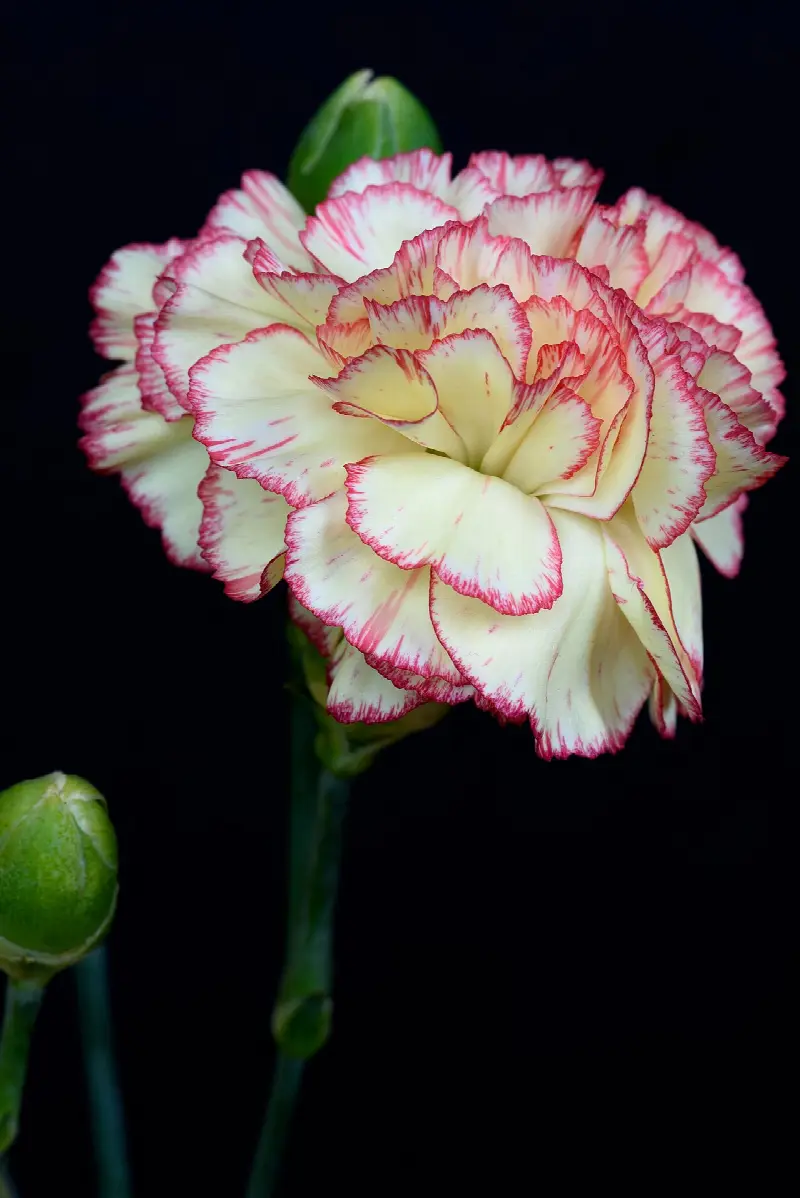
| January | Carnation, snowdrop | Carnation only (SAF, Illinois) |
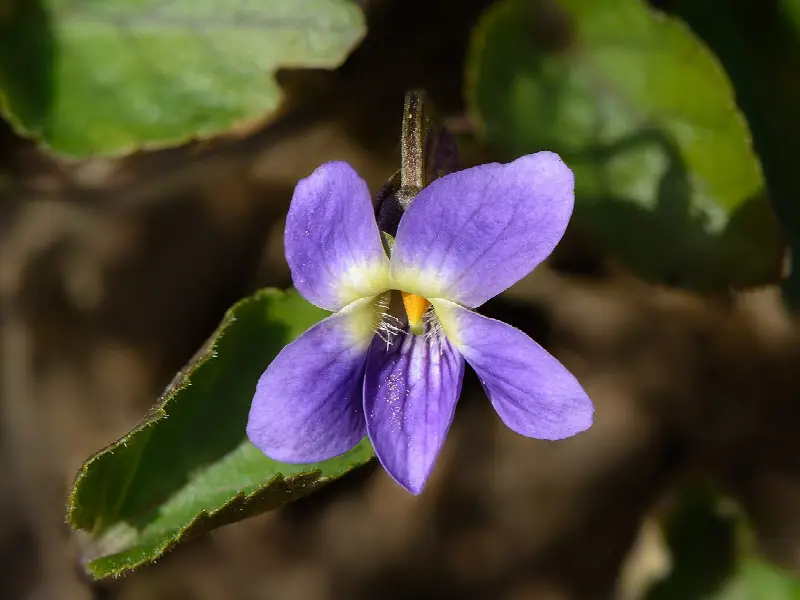
| February | Violet, primrose | Iris (SAF, Illinois) |
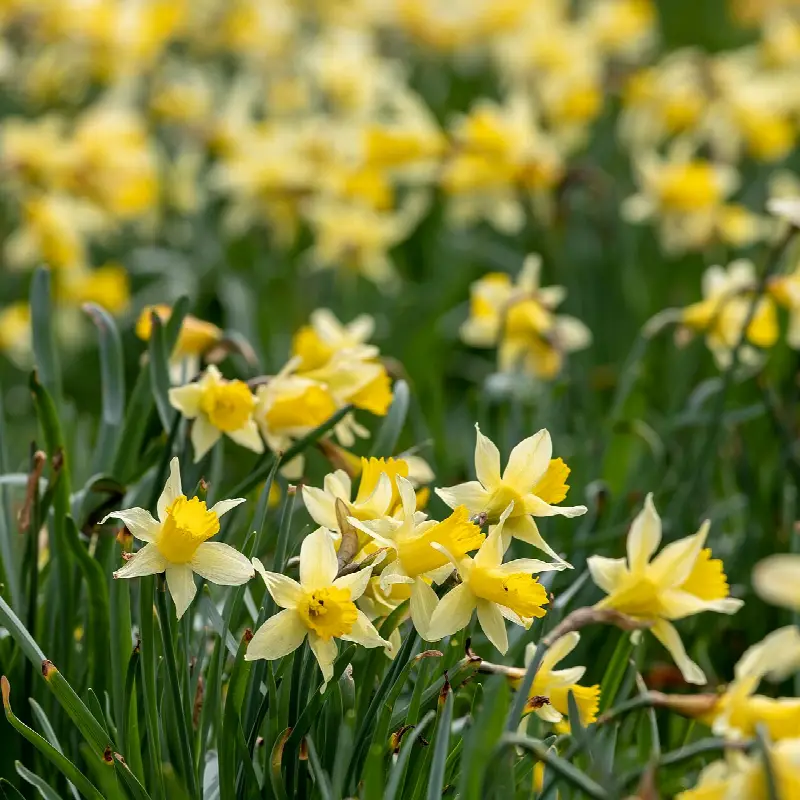
| March | Daffodil, jonquil | Daffodil only (SAF, Illinois) |
| April | Daisy, sweet pea | Peony (SAF, Illinois) |
| May | Lily of the valley, hawthorn | Lily (SAF) |
| June | Rose, honeysuckle | Rose only (SAF, Illinois) |
| July | Larkspur, water lily | Delphinium (SAF, Illinois) |
| August | Gladiolus, poppy | Dahlia (SAF, Illinois) |
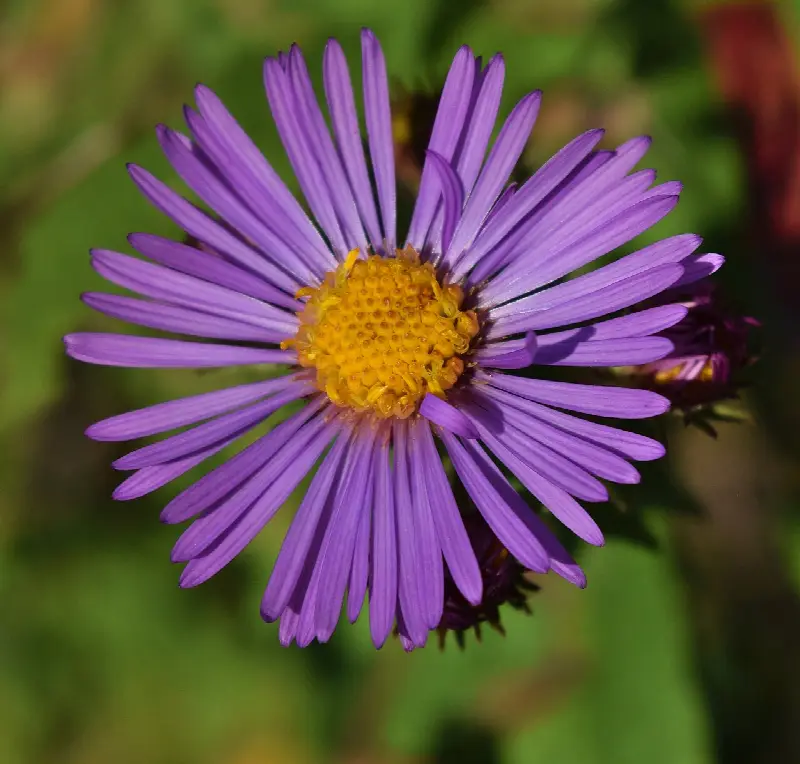
| September | Aster, morning glory | Forget-me-not (SAF) |
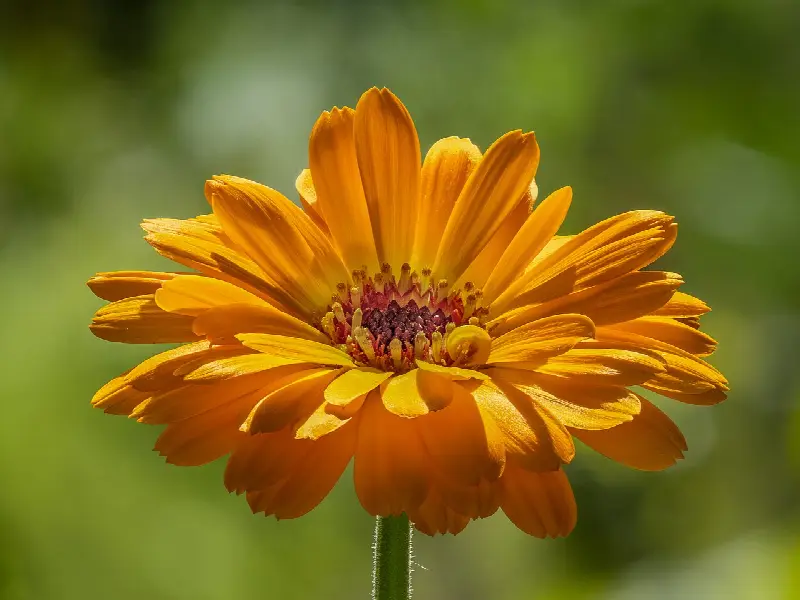
| October | Marigold, cosmos | Calendula (SAF, Illinois) |
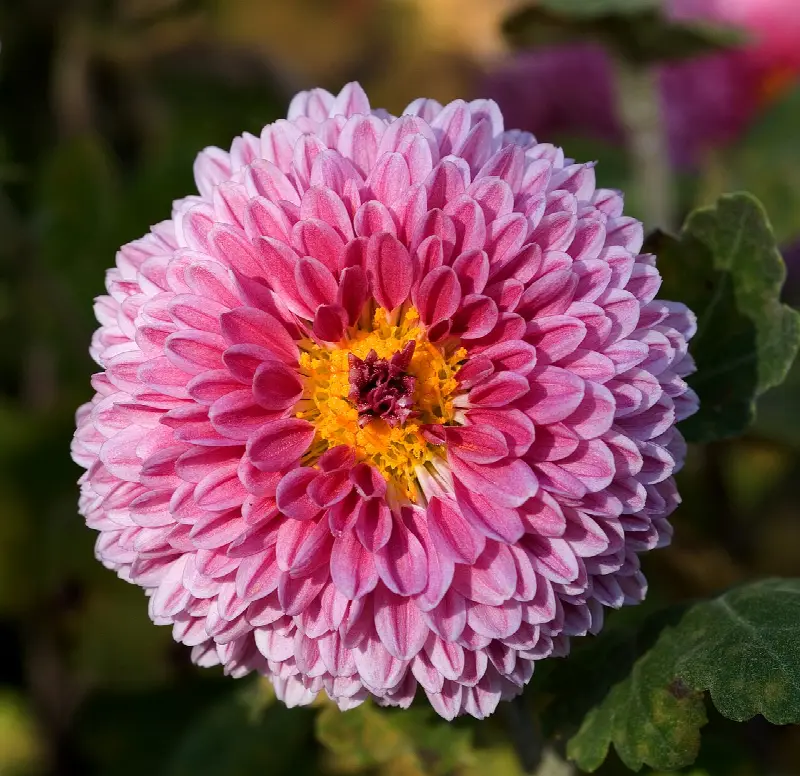
| November | Chrysanthemum | Peony as an alternative (Farmers' Almanac) |
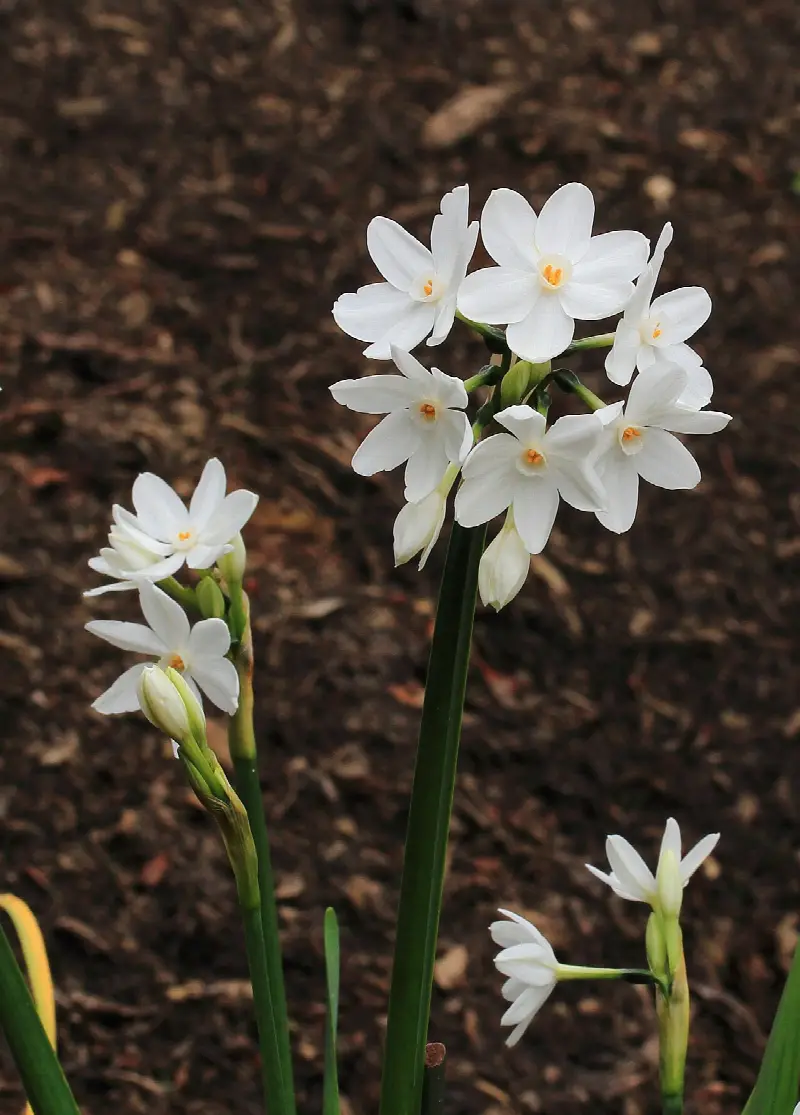
| December | Narcissus, holly | Poinsettia, paperwhite (SAF, Illinois) |
Main list: Old Farmer's Almanac. Alternates: Society of American Florists (SAF) and University of Illinois Extension. Checked on October 17, 2026.
The Almanac notes that a jonquil is a type of daffodil.
Your month's page has the meanings by color, the history, and what to write in a birthday card.
Birth flowers by month
Pick your month to see its flowers up close. Each card opens that month's page.

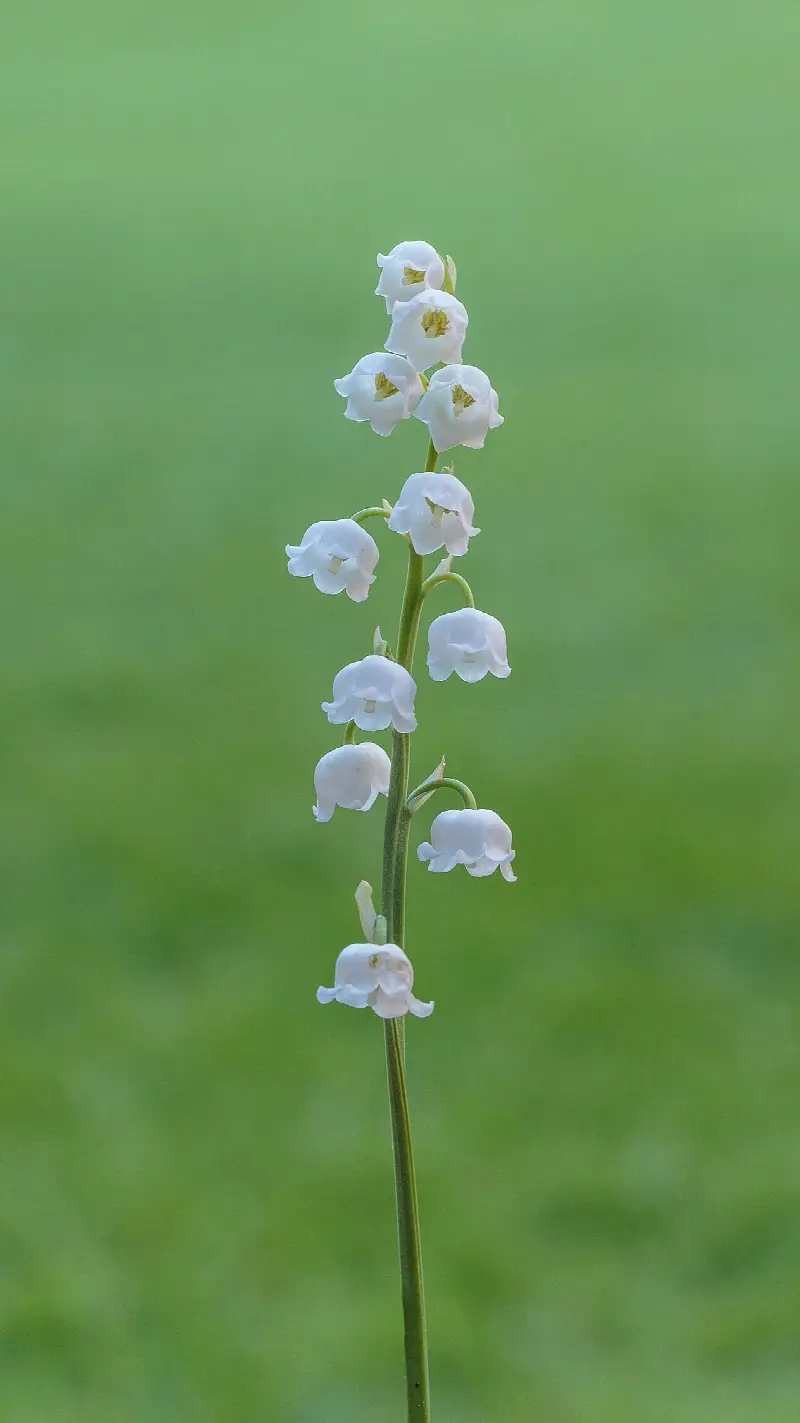
May
Lily of the valley and hawthorn
See May flowers →
What is a birth flower?
The Library of Congress files this topic under "Birthflowers." It borrows its definition from Webster's Third dictionary: "a flower considered as appropriate to or symbolic of the month of one's birth."
Your month is simply the month you were born in. So a January baby's flowers are carnation and snowdrop, and a November baby's is the chrysanthemum, on the Almanac's list.
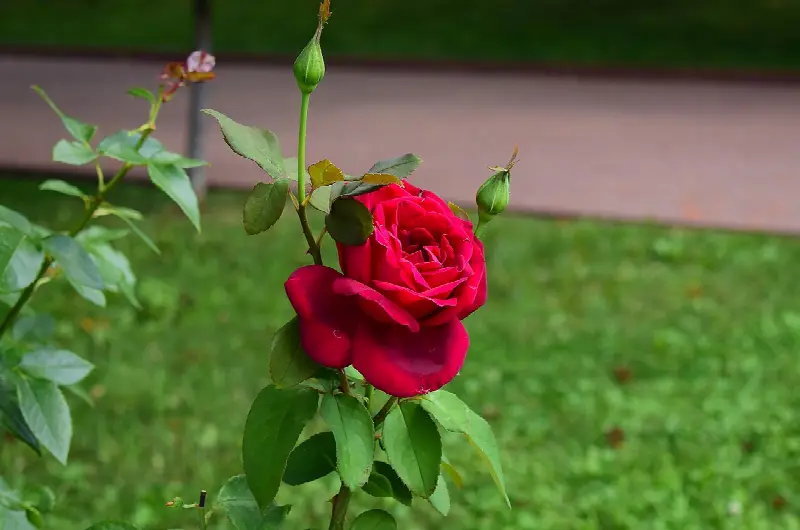
Red roses have been my favorite since I was a little girl, so I love that the rose is June's flower on every list I checked, from the Almanac and the florists' list to a book from 1907.
I was born in September, so my birth flowers are the aster and the morning glory, on the Almanac's list.
Why some months have two flowers (and where lists differ)
The Old Farmer's Almanac puts the two-flower system down to regional availability and tradition, not to one agreed origin. No single body sets the list.
That's why a birth flower list from one source rarely matches another exactly. These are the months where the lists we checked disagree most:
- November. Chrysanthemum is November's main flower on every list we checked: the Almanac, the Society of American Florists, the University of Illinois Extension, Interflora in the UK, and a 1907 list. The Farmers' Almanac calls the peony "the recognized alternative November flower," while SAF and Illinois list peony under April.
- December. The Almanac puts narcissus first and holly second. Interflora gives holly alone, and so does the 1907 list. SAF and Illinois add poinsettia and paperwhite.
- February. The Almanac pairs violet with primrose. SAF and Illinois pair violet with iris.
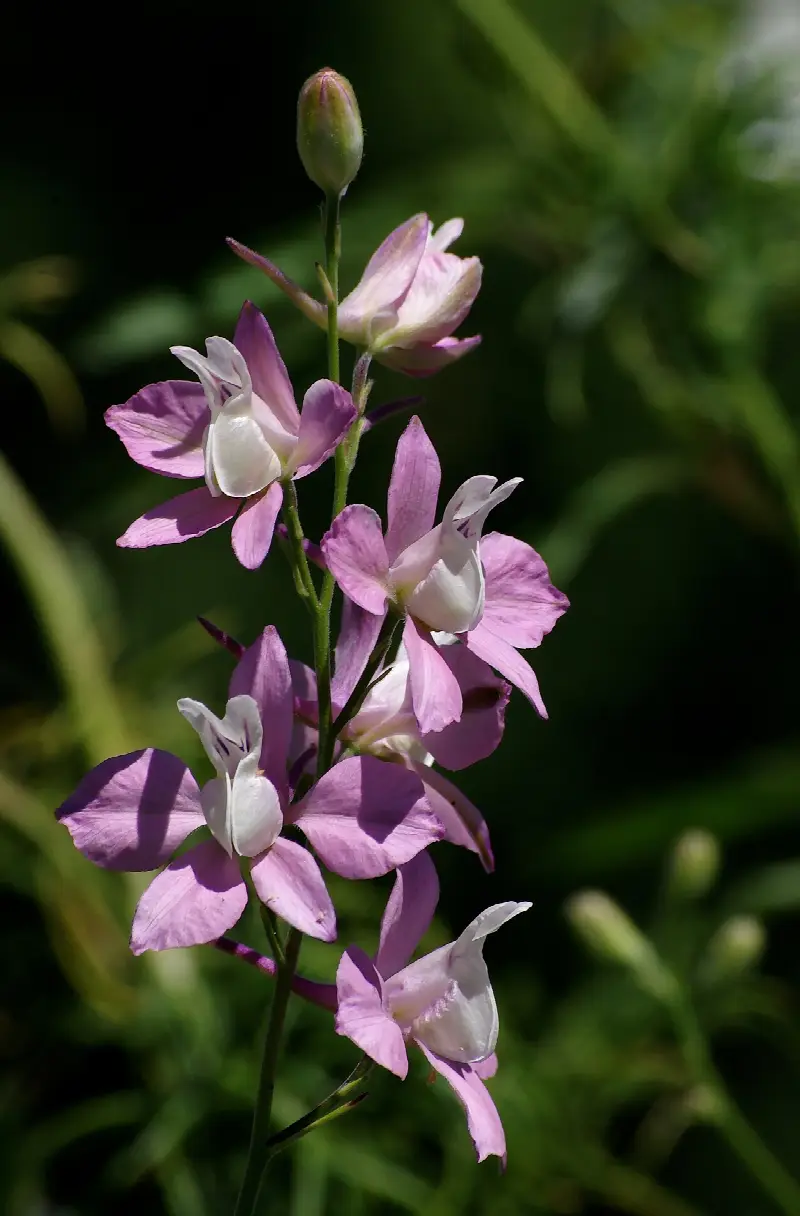
- July. The Almanac and Illinois say larkspur. SAF and Interflora say delphinium. Illinois lists both names.
UK lists differ again. Interflora, a UK florist, gives just one flower per month, with delphinium for July and holly for December.
When sources disagree, our chart keeps the Almanac's flowers as the main list and shows the others in the last column. If two flowers belong to your month, you can choose the one you love.
How birth flowers started
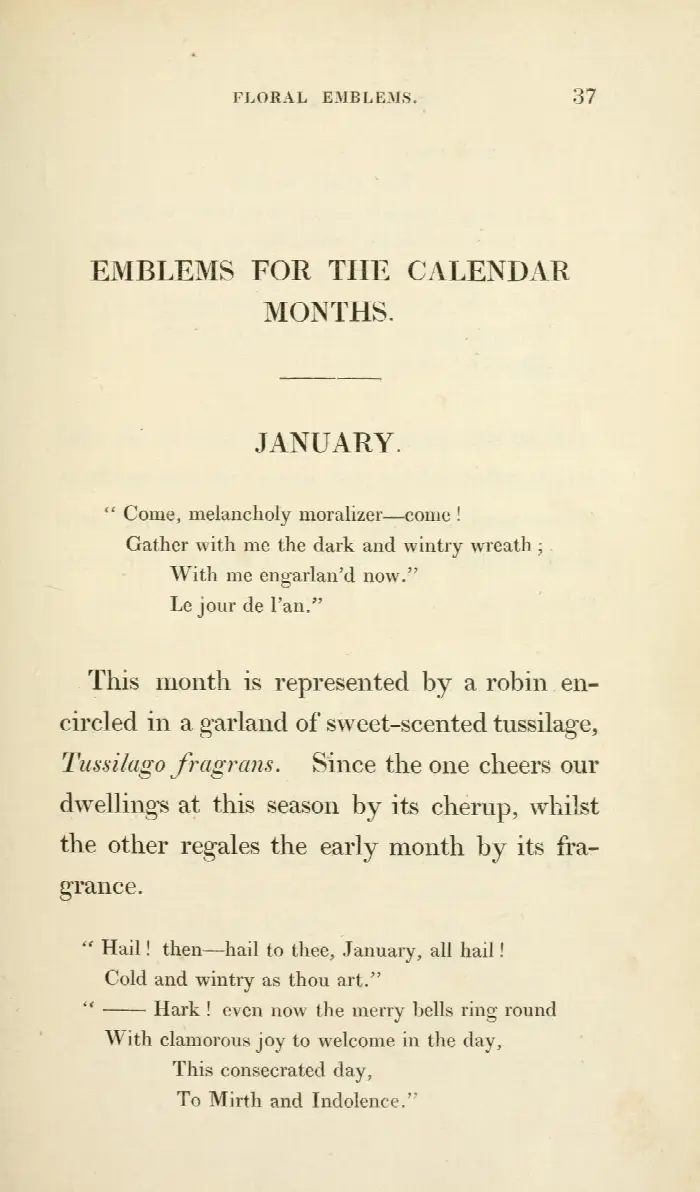
Books on the "language" of flowers came before birth-month lists. In 1825, Henry Phillips published Floral Emblems in London. It includes "Emblems for the Calendar Months." Phillips explains that he devised the month emblems himself, so people could "record dates by floral symbols." His emblem for January is sweet-scented tussilage, shown with a robin.
The earliest printed use of the phrase "birth flowers" that we could find is in a 1907 Chicago party book: "Dame Curtsey's" Book of Novel Entertainments for Every Day in the Year, by Ellye Howell Glover. In its plan for "A June Party," the hostess encloses "this list of 'birth flowers'".
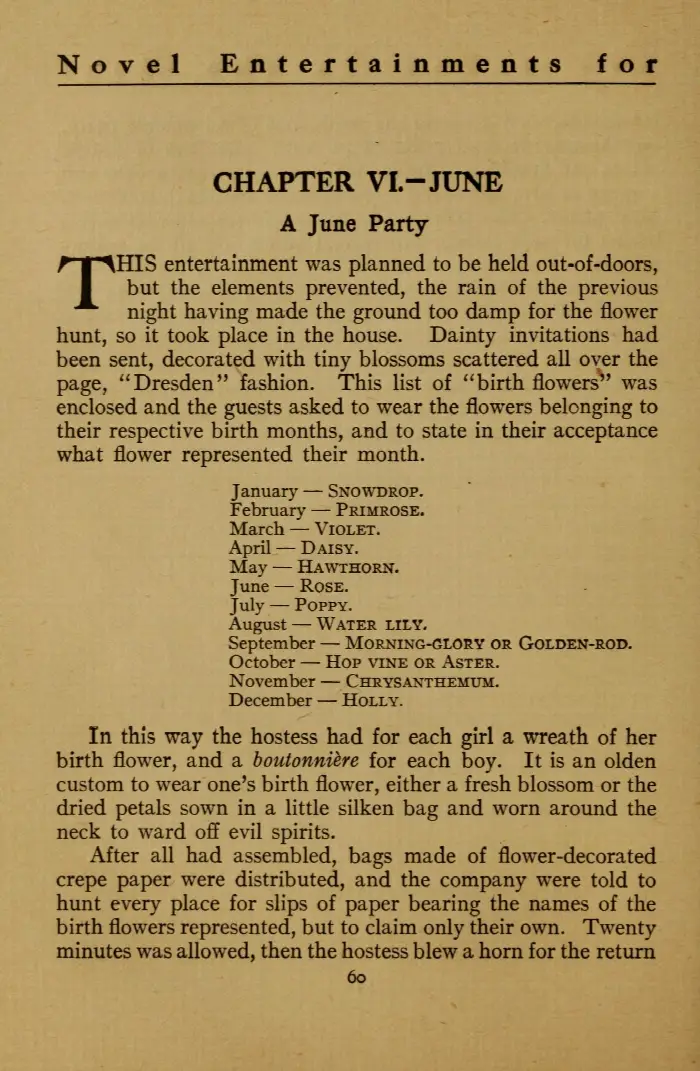
Here is that 1907 list beside today's Almanac list:
| Month | 1907 list | Old Farmer's Almanac today |
|---|---|---|
| January | Snowdrop | Carnation, snowdrop |
| February | Primrose | Violet, primrose |
| March | Violet | Daffodil, jonquil |
| April | Daisy | Daisy, sweet pea |
| May | Hawthorn | Lily of the valley, hawthorn |
| June | Rose | Rose, honeysuckle |
| July | Poppy | Larkspur, water lily |
| August | Water lily | Gladiolus, poppy |
| September | Morning-glory or golden-rod | Aster, morning glory |
| October | Hop vine or aster | Marigold, cosmos |
| November | Chrysanthemum | Chrysanthemum |
| December | Holly | Narcissus, holly |
Sources: Glover, 1907, p. 60 and the Old Farmer's Almanac.
The two lists share a flower in eight months. But violet, poppy and water lily have all moved. In 1907 they belonged to March, July and August.
The book calls wearing your month's flower "an olden custom." That is the book's own claim, and we haven't found an older source to back it up.
Much later, the Library of Congress added "Birthflowers" as a subject heading in 1997. Today's US lists are modern compilations, and they still differ, which is why our chart shows the alternates.
Birth flowers and birthstones
The two are separate traditions, so we keep the stones on their own page, with their own sources. See the birth flower and birthstone for every month side by side.
Make a bouquet from everyone's months
Coming soon: pick everyone's birth months and see the bouquet they make together, with each flower's meaning. It's made for family birthdays, or any time you want one arrangement for several people you love.
Gift ideas
Looking for a present? Our birth flower gift ideas and our bouquet guide help you turn a month's flowers into something to give.
Frequently asked questions
What is a birth flower?
A birth flower is a flower linked to the month you were born. The Library of Congress uses the definition from Webster's Third dictionary: "a flower considered as appropriate to or symbolic of the month of one's birth" (source). Find yours in the chart above.
Why do some months have two birth flowers?
The Old Farmer's Almanac, whose list gives two flowers for every month except November, puts it down to regional availability and tradition rather than one agreed origin.
Is the peony the November birth flower?
Only as a second choice. The Farmers' Almanac calls it "the recognized alternative November flower," but the Old Farmer's Almanac, the Society of American Florists, the University of Illinois Extension, Interflora (UK) and a 1907 list all give chrysanthemum for November. The Society of American Florists and Illinois Extension list peony for April. See our November birth flower page.
Is there a birth flower for each day, not just each month?
The lists we checked, from the Old Farmer's Almanac, the Society of American Florists and the University of Illinois Extension, go by month only.
Are UK and US birth flowers the same?
Mostly. Interflora's UK list gives one flower per month and matches the Almanac's first flower in ten months. The differences are July, where Interflora picks delphinium instead of larkspur, and December, where it gives holly alone and the Almanac puts narcissus first.

Kiran
I’m a lifelong flower lover who grows and arranges flowers at home in Saudi Arabia. I write PetalSay to help you pick the right flowers without worrying, and find the right words for the card.